
Generosity Does Not Stay Home: Taking HOPE International to Cambodia with the Stober Group
When the Stober Group wanted to honour their most dedicated volunteer, they did not give her a plaque. They gave her a plane ticket.
Meghan had shown up consistently, quietly, generously, in every way the Stober Group values. Not for recognition. Not for a line on a resume. Just because she believed in it. So when it came time to acknowledge that, the question we asked was simple: what is the most meaningful thing we can give someone who already lives generously? Our answer was an experience that would expand her understanding of what generosity can do at scale.
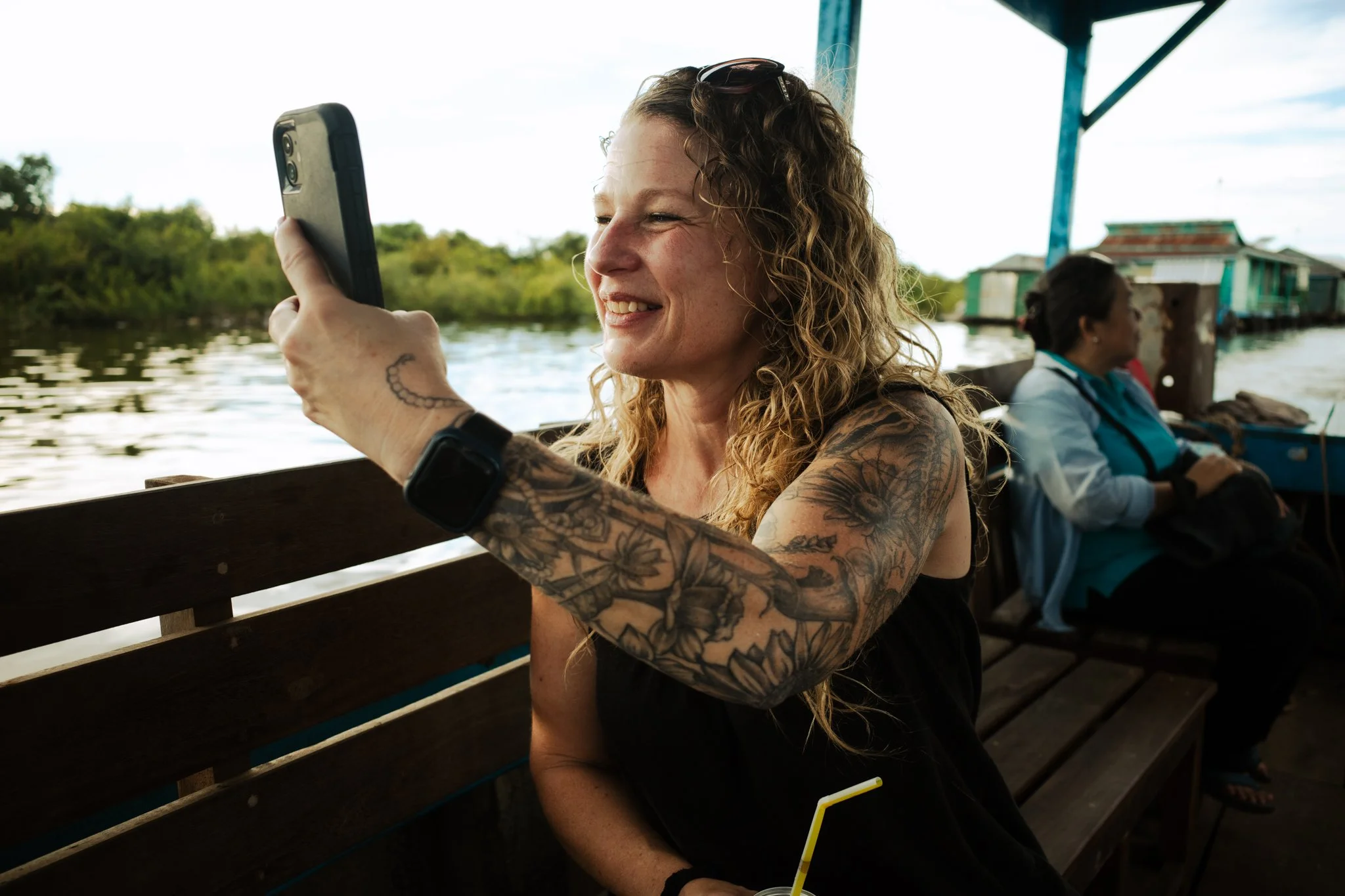
We partnered with HOPE International Development Agency and flew to Cambodia.
Watching Meghan encounter that country for the first time was its own education. The way Cambodia hits you. The traffic that moves like a living organism. The markets. The heat. The beauty and the weight of a place that has survived extraordinary hardship and is insisting, in its own way, on its own future.
Out in the villages where HOPE has spent decades building trust, not just programming, we saw what happens when development is done right. Families with clean water for the first time. Schools where children could actually learn because they were not spending the morning fetching water from a contaminated source. Community gardens producing food from what used to be dry, exhausted soil.
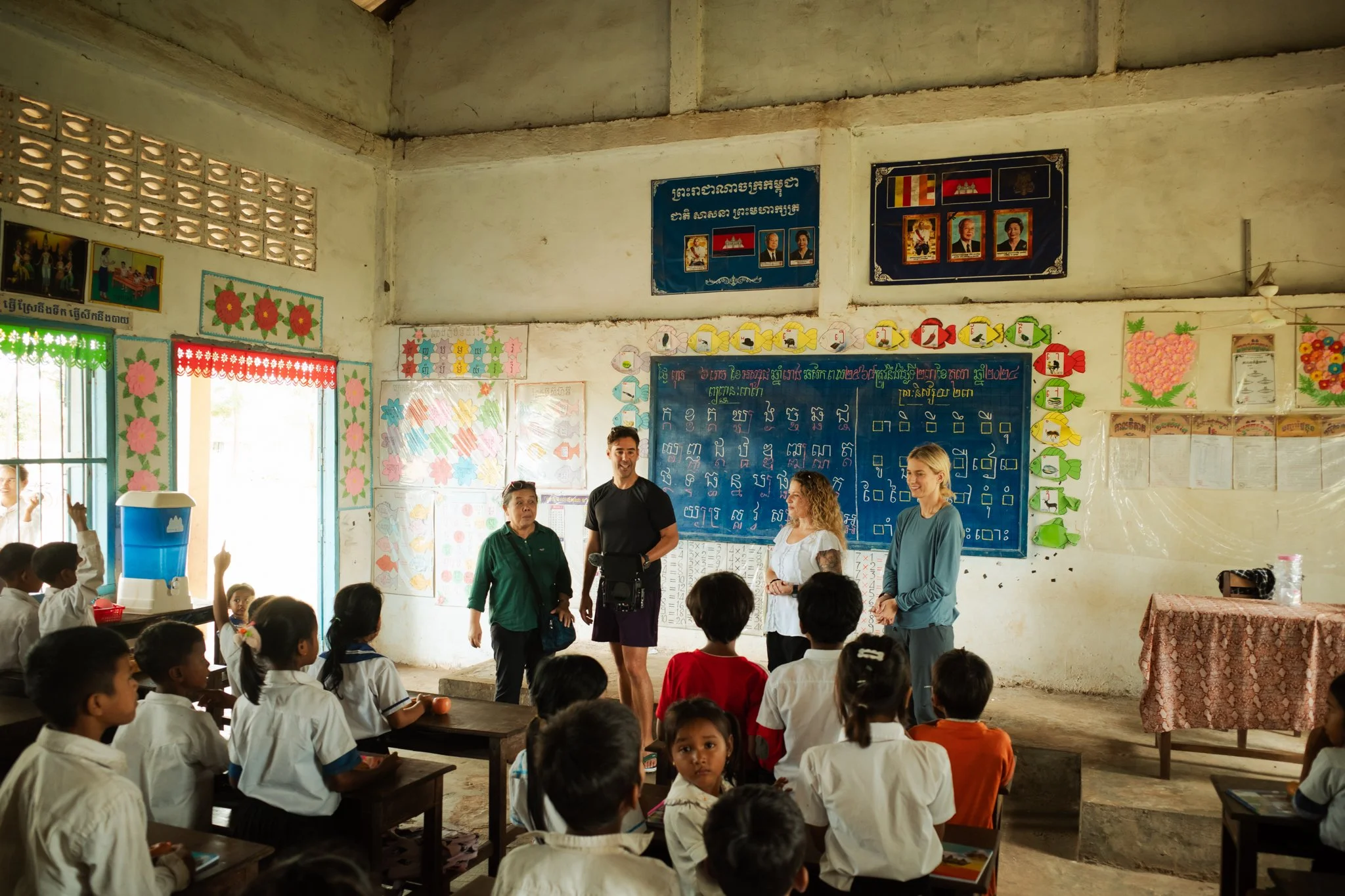
Meghan showed up as a learner. She did not arrive with answers or a charitable gaze. She arrived with questions and stayed curious. She laughed with kids, asked mothers about their lives, and sat with the weight of what she was seeing without needing to resolve it into a tidy narrative. At night she would say things like: I did not realize how much could be done with so little.
That is the transfer. That is what makes these trips not just memorable but generative.
The Stober Group was investing in more than a reward. They were investing in a ripple effect. Meghan came home carrying stories and a recalibrated sense of what enough means and what generosity costs. Those things do not stay in Cambodia. They travel with you into every meeting, every conversation, every decision about where to put your energy.
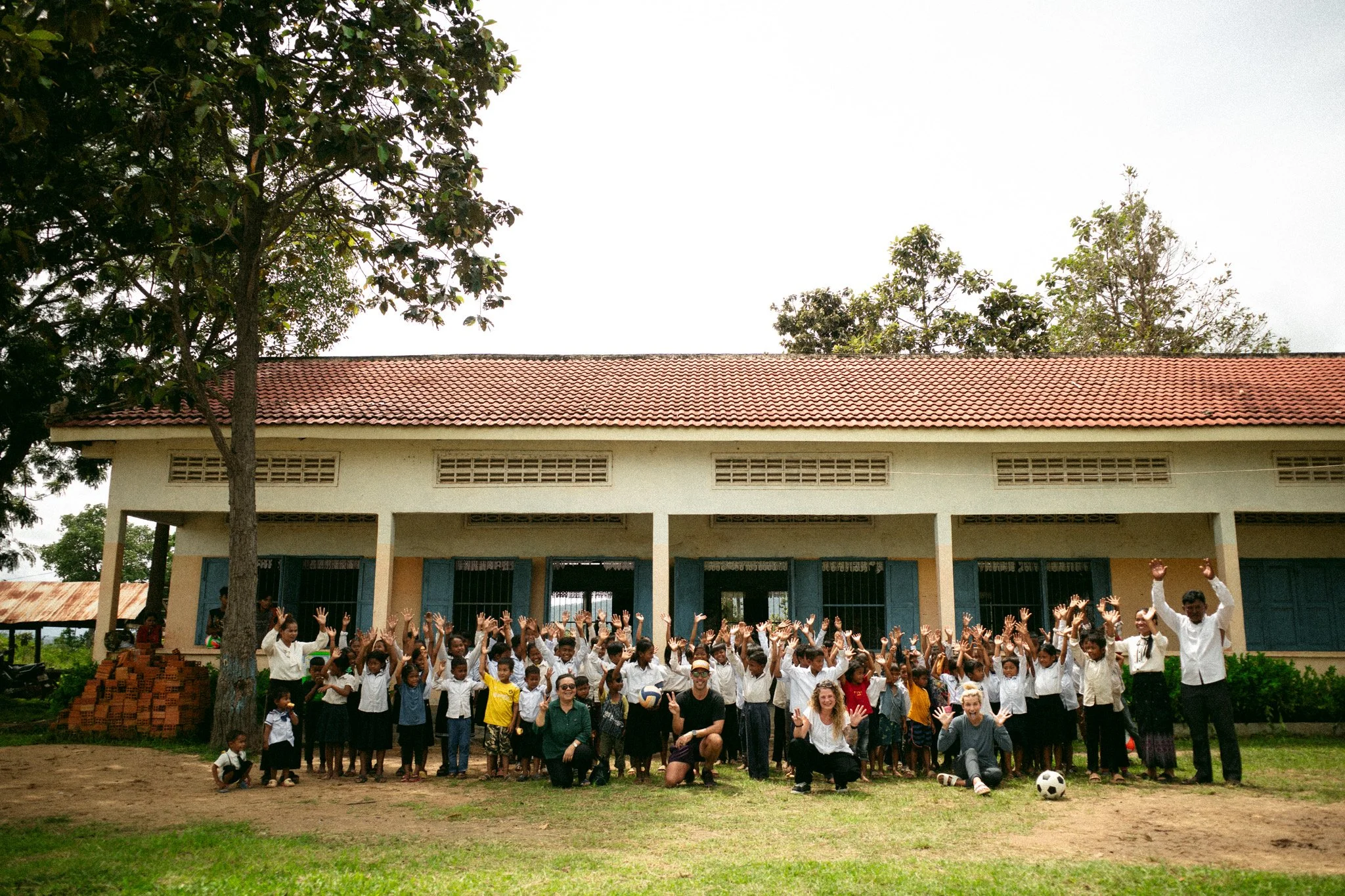
The most strategic thing a philanthropic family can do is place the people around them inside the work they fund. Not as observers. As participants. Because you cannot have an abstract relationship with a Cambodian mother who just showed you the well that changed her daughter's life. You carry her. And when you carry her, you give differently.
That is how philanthropy multiplies. Not through reports. Through people.
