When Giving Becomes Living: The Case for Experiential Philanthropy
At some point in every serious philanthropic relationship I have had, the same question surfaces. Usually after a few conversations, once we have moved past the tax questions and the vehicle options and gotten to something more fundamental. The question is some version of: how do I make this feel real?
It is a good question. And the honest answer is that writing cheques alone rarely does it.
Experiential philanthropy is not a new idea, but it is one that has gained serious traction among the families and foundations I work with. The premise is simple: the most powerful philanthropic relationships are ones where the donor has some direct, embodied experience of the work being funded. Not a gala. Not a report. The actual work.
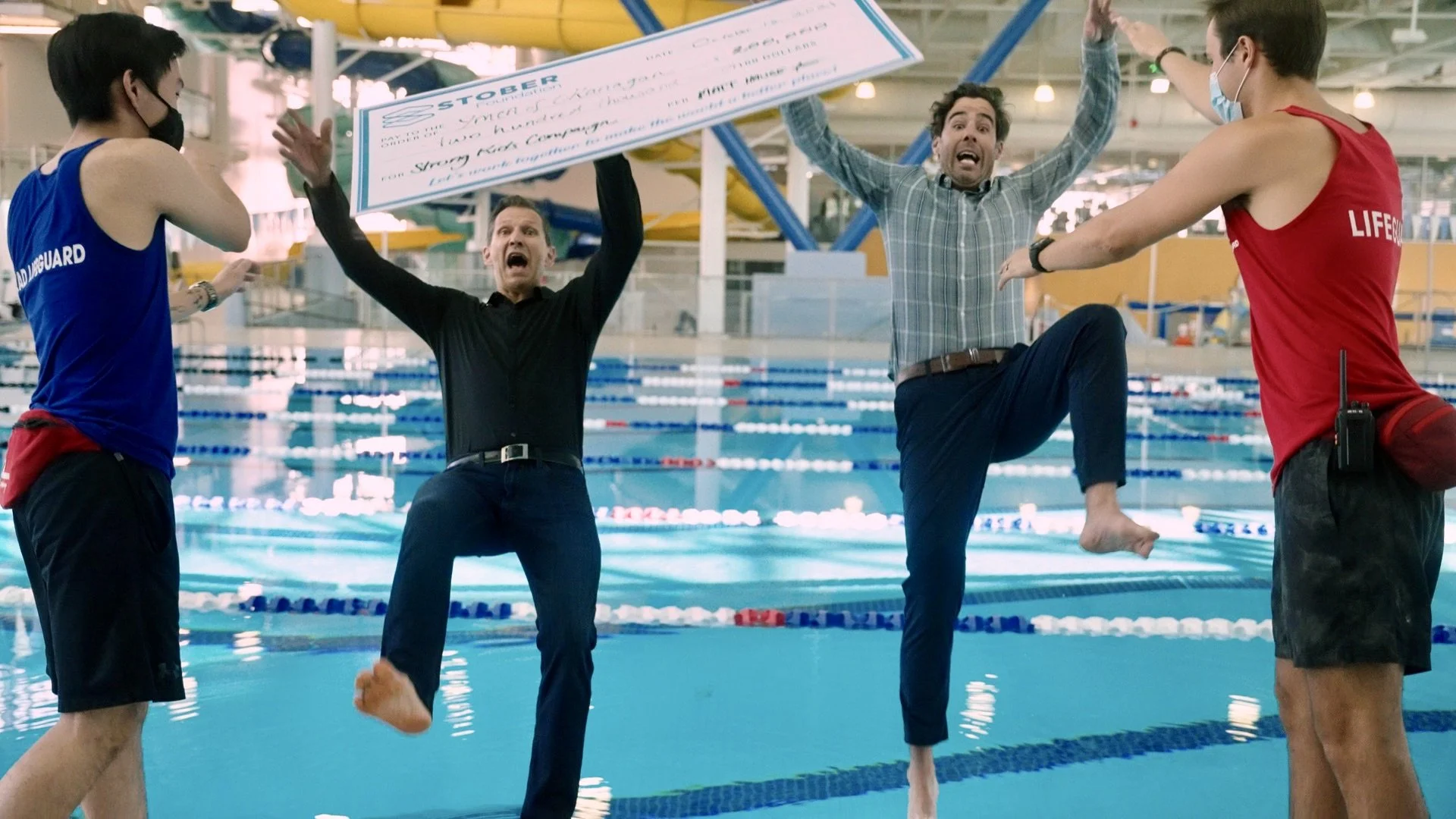
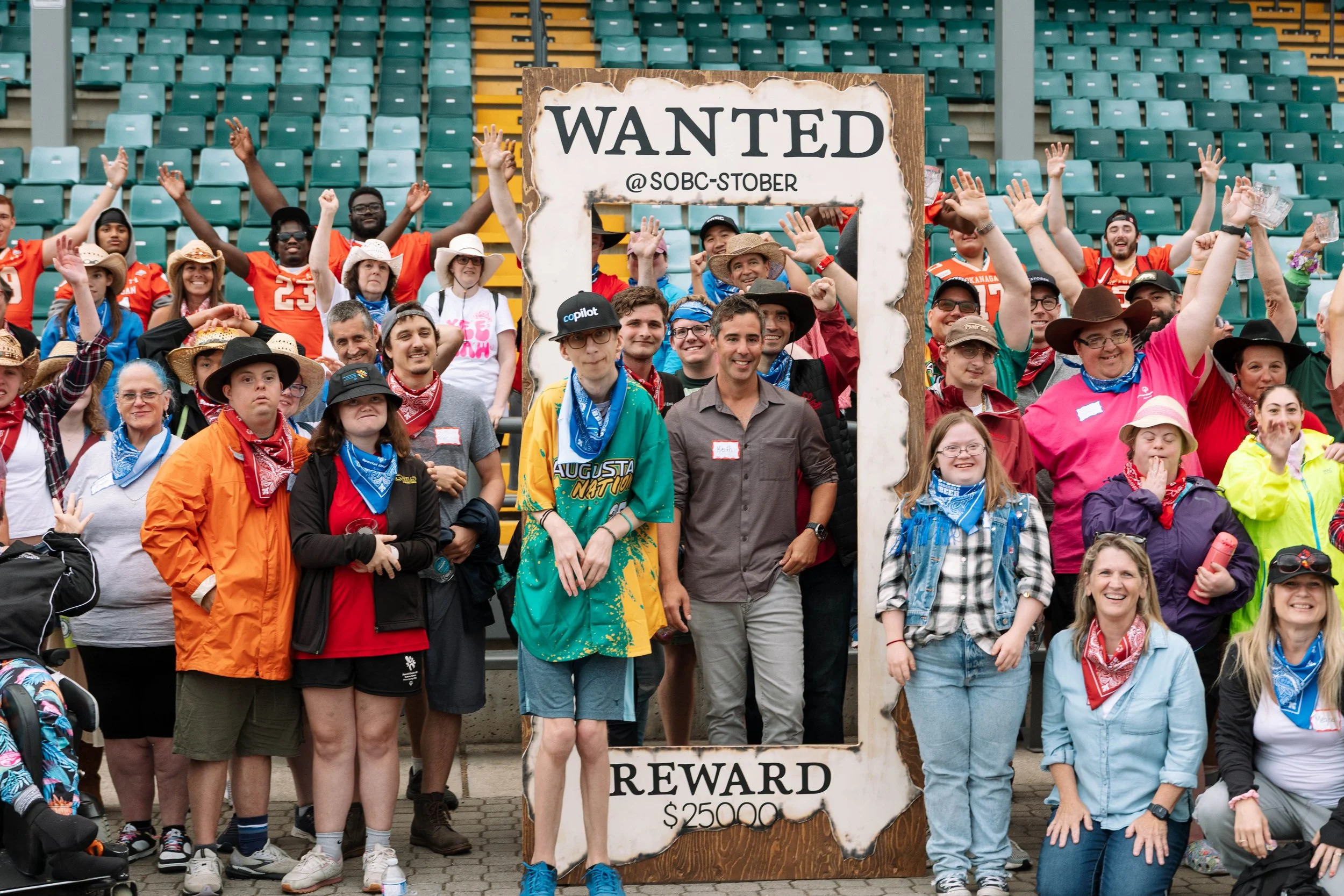
What does that look like in practice? It looks like flying to Cambodia with a foundation partner to spend a week in villages served by HOPE International. It looks like suiting up and showing up at a Special Olympics BC training session and actually competing, badly, with athletes who will absolutely beat you. It looks like rappelling down the side of a building for Easter Seals because the people you are raising money for spend their whole lives doing things that require that kind of courage.
The evidence for the impact of experiential giving is not just anecdotal. Donors who engage directly with the organizations they support give more, give longer, and give more thoughtfully. They become advocates, not just funders. They bring their networks, their children, their business partners into the story. The ripple effect is qualitatively different.
But beyond the strategy, there is something simpler going on. Experiential philanthropy makes giving something you did, not just something you authorized. It gives you a story. And stories are how human beings actually change.
If your current giving feels administrative, if it has become a line item rather than a living part of your life, I would invite you to consider what it would mean to get closer to the work. Not just see it from a distance. Actually be in it.
That is the shift. And once you make it, you will not want to go back.