One Bowl, One Future: What Mary's Meals in Africa Taught Me About the Power of Simple
I grew up knowing what it felt like to not have enough. That is not something you leave behind. It lives in you, shapes you, quietly calibrates the way you see the world. It is also, I think, part of why I ended up doing this work.
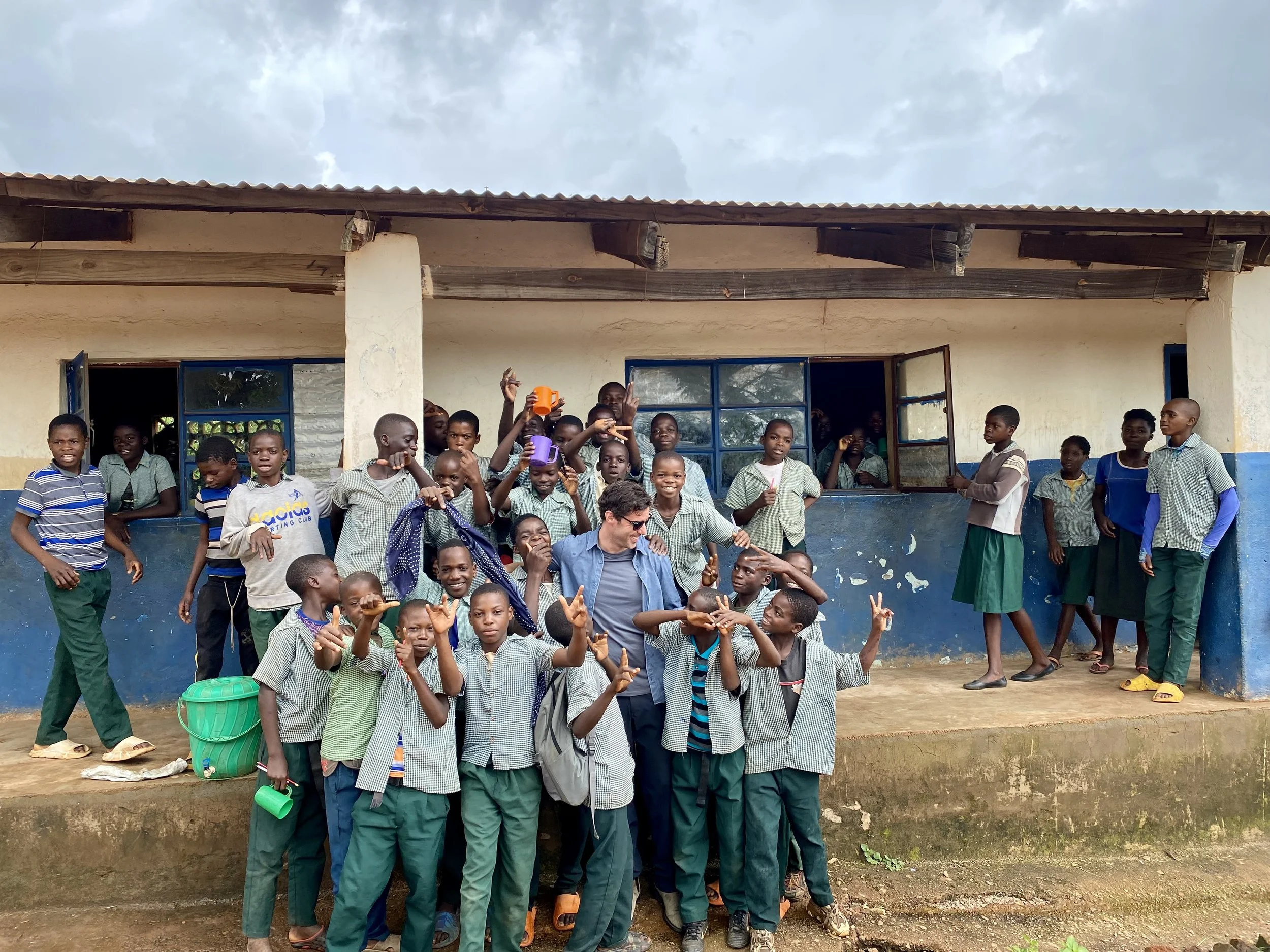
When I traveled to Africa to see Mary's Meals in action, I expected to find poverty. I found something else alongside it: one of the most elegant and effective philanthropic models I have ever encountered.
The premise is almost embarrassingly simple. If you provide a child with one good meal on every school day, in a place of education, you break the cycle. That is it. One meal. One location. Repeated.
What that looks like on the ground is mothers stirring enormous pots of porridge over open fires before dawn, singing while they work. It looks like children walking to school, sometimes for hours, because they know something warm is waiting for them. It looks like teachers who used to lose half their class by midmorning because hungry kids cannot focus, now running full classrooms with students who are actually present.
I sat in those classrooms and did the math that every Western philanthropist eventually does when they encounter Mary's Meals. The annual cost per child is roughly what most of us spend on a single lunch. That equation should disturb you. I think it is meant to.
What struck me most was not the efficiency, impressive as it is. It was the dignity. Mary's Meals does not arrive in communities with saviour energy or complicated conditions. It arrives as a partner. The food is sourced locally where possible. The servers are community members. The model is designed to be sustainable within the community's own capacity, not dependent on continued outside intervention. That is the mark of genuinely good development work. It builds toward its own irrelevance.
Magnus MacFarlane-Barrow started this from a shed in Scotland. Today, Mary's Meals feeds over two million children every day. That trajectory tells you something important about what happens when a clear idea is executed with relentless integrity.
I came home from Africa changed in the particular way that field visits change you. Not with easy answers, but with a much sharper sense of what actually matters.
One bowl. One future. It really is that simple. And it really does work.